We’ve all heard the 19th-century quote from Edward Bulwer-Lytton suggesting that “the pen is mightier than the sword”, and Shakespeare’s early 17th-century observation in Hamlet that “…many wearing rapiers are afraid of goose quills”, and even earlier with Greek Philosopher Euripides in the 4th century BCE reminding us that, “…the tongue is mightier than the blade”. […]
Emotional resilience is about our ability to cope with, and adapt to, stressful situations – and at the core of this is emotion regulation, the ability to manage our own emotions. This is centred around the Autonomic Nervous System (ANS). The ANS interacts with the internal organs, including the blood vessels, stomach, intestine, liver, kidneys, […]
I am sitting in a waiting area in a hospital day-unit, with news of a one hour delay – giving me a nice opportunity to pay attention and reflect. I sit with full admiration for the team of nurses and desk staff creating a calm, smooth environment; with military precision. This triggers memories for my […]
There are a few myths, and a few dodgy articles around from researchers that are confusing practitioners working in artificial intelligence, marketing, tech, airport security, and human communications industries. A. “We don’t need to train humans – technology can read faces and detect truth, lies and malintent”. B. “Facial expressions aren’t universal – as different […]
There is widespread acceptance in the scientific community that there are universal indicators for seven basic emotions, though there is little evidence to suggest the same for shame. Shame has been argued to be “an affect – an emotion or feeling – not a thought, drive or interpersonal phenomenon per se”[1] (Kaufman, 1980). This is […]
I recently asked a group of fourteen people to identify someone (privately) in the room, and rate them on the four point scale as to their ‘judgement of other person’s intelligence’. The criteria were: Low Below average Above average High I then asked them to rate themselves on the same scale. The group were asked […]
If you were to review the existing models of Emotional Intelligence(EI) you would find many commonalities and many differences. Some are geared to leadership or work, some to well-being and some more neutral of context and application. Some incorporate traits, personality and other qualities that reflect the research base for the model or the preferences […]
Any mother who can allow her child to be open to the abuse Shannon suffered must feel guilty or be evil. I believe that Karen was rightfully convicted following some great police work. However, I have examined the videos and case history and feel we still do not have the full truth here. Between the […]
A smile is the universal signal of enjoyment, excitement, happiness, and joy….But, not all smiles mean a person is happy. There are some different scenarios when one may display a smile without feeling any happiness at all. For example, this may be out of politeness, or more ironically, used to mask an unpleasant emotion. How then, can we trust a […]
What is it that we see and hear from others that helps us believe they are being truthful? A successful coach or L&D practitioner needs to be able to accurately read the information or feedback given off by their coachee or learner in a variety of settings. But how do you ensure that you capture all that […]
A near miss is a special kind of failure, It feels a lot like a win. Think back to that time you rolled up that piece of paper and went for that almost impossible shot into your colleagues bin, or the time you were practicing a new dance move that you very nearly performed to […]
Below is an an account from a delegate who attended our Emotional Skills and Competencies workshop. This delegate (who will remain nameless) talks about their experience of managing Aspergers, and the value of developing emotional skills. Letter begins: I would like to report on how thoroughly deep is the impact of the ESaC training on my […]
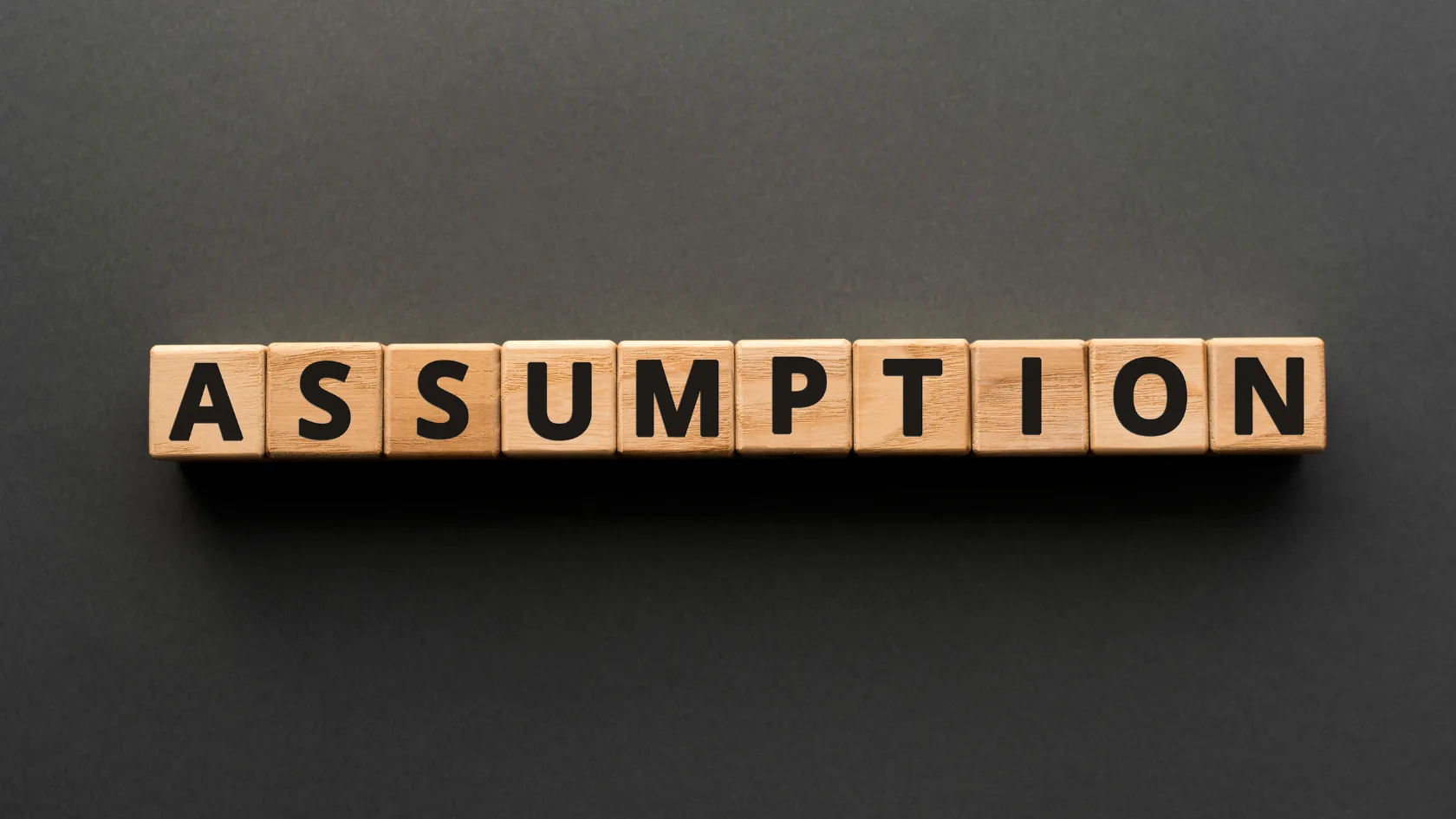
Presumption and assumption can be difficult to manage. We like to take shortcuts and get what we want quicker. We Presume and assume every day but when we are dealing with Emotional Intelligence, body language and Credibility, we really can’t afford to take short cuts. Many of us use the words presume and assume interchangeably, […]